The Impact of Karen McCleave in Legal Proceedings
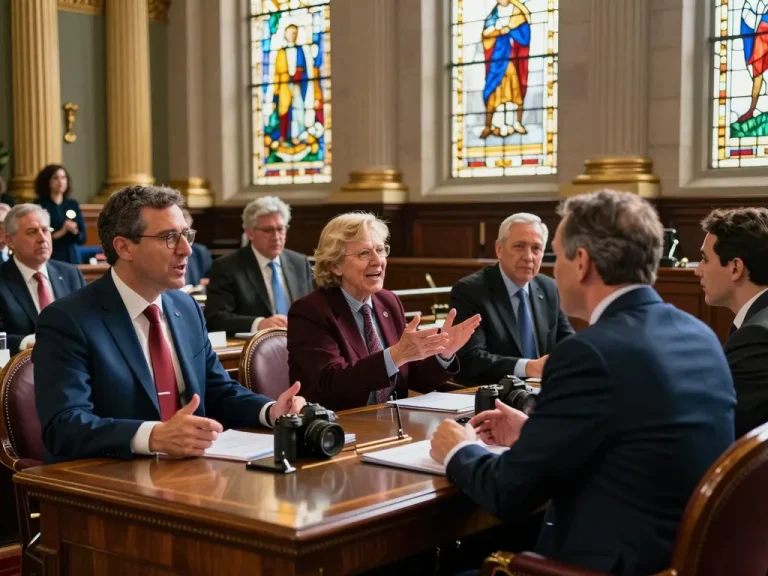
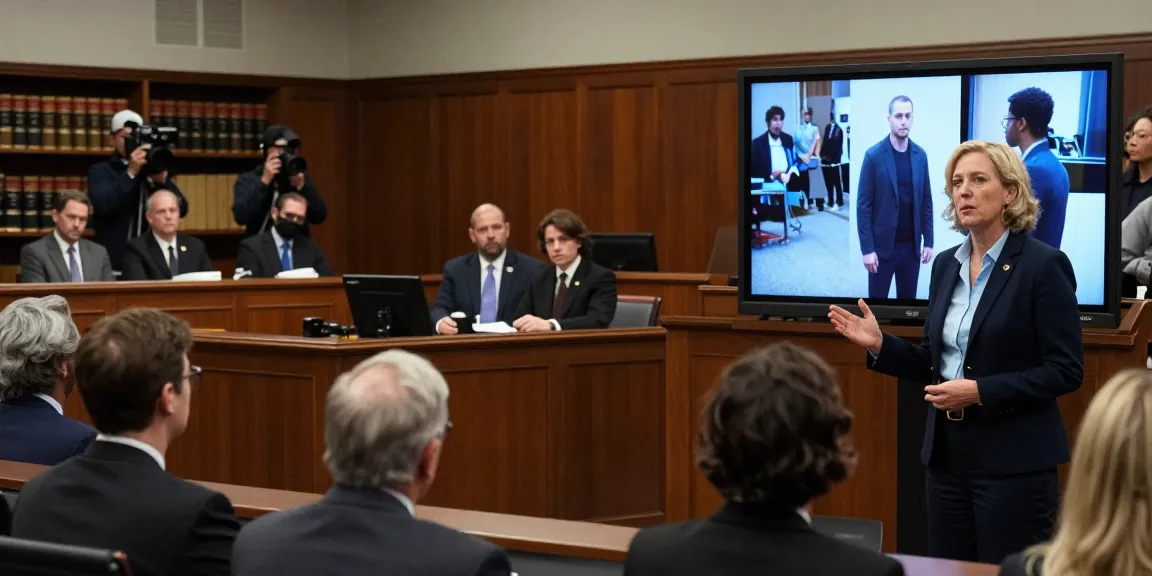
In the complex world of legal proceedings, the role of a Crown attorney is paramount, particularly in high-stakes cases involving serious crimes like murder. One such notable figure in this domain is Karen McCleave, a seasoned Crown attorney based in Toronto, whose extensive experience spans over three decades. Her involvement in significant cases not only showcases her legal acumen but also highlights the critical influence that Crown prosecutors have on the outcome of trials. A recent case, involving a brutal murder where the victim was stabbed 15 times and subsequently burned, exemplifies the gravity of her role and the intricacies involved in pursuing justice. In the pursuit of justice, Karen McCleave Toronto has been at the forefront, navigating the complexities of evidence and witness testimonies.
Understanding the Role of Crown Attorneys
Crown attorneys serve as the prosecuting authority in criminal cases, representing the government in its quest to uphold the law. Their responsibilities extend beyond merely presenting evidence; they must also ensure that justice is served in a fair manner. This entails a thorough understanding of the law, strong legal strategies, and the ability to communicate effectively with juries and judges alike. In many ways, Crown attorneys are the architects of the prosecution’s case, requiring them to meticulously gather evidence, interview witnesses, and prepare for the unpredictability of a court trial.
Highlighting Significant Cases Led by McCleave
Karen McCleave’s career has been marked by high-profile cases that have garnered significant media attention. Her handling of complex murder cases, like the one involving Ali Garakan, illustrates her ability to navigate the challenging landscape of criminal law. In this case, the Crown argued that the accused had motives rooted in personal vendettas and animosity towards the victim, which McCleave effectively communicated to the jury, emphasizing the premeditated nature of the crime.
How Crown Prosecution Influences Justice Outcomes
The work of Crown attorneys like McCleave can significantly influence the judicial process. The prosecution’s approach to presenting evidence, particularly in emotionally charged cases, can sway jury perceptions. By carefully constructing narratives that match the evidence with the motive, Crown attorneys play a critical role in ensuring that the jury remains focused on the facts. Their ability to frame the case through the lens of public safety and societal norms further reinforces the gravity of their responsibilities.
Key Legal Strategies Employed by Karen McCleave
Analyzing Evidence in Murder Cases
In murder trials, the analysis of evidence is foundational to building a compelling case. This includes physical evidence, forensic analysis, and witness testimonies. McCleave’s meticulous attention to detail has often been evident in her approach to evidence collection and presentation. Her team works diligently to ensure that every piece of evidence is accounted for, cross-referenced, and presented in a manner that tells a cohesive story to the jury.
Building Strong Cases Against Defendants
One of McCleave’s strengths lies in her ability to build robust cases against defendants. This isn’t solely about assembling evidence; it involves anticipating the defense’s strategies, identifying weaknesses in their arguments, and preparing counterarguments. Her experience allows her to foresee potential challenges and address them proactively, ensuring that the prosecution’s case is watertight.
Utilizing Expert Testimonies for Convictions
Expert testimonies can make or break a case in the courtroom. McCleave often relies on expert witnesses to lend credence to the prosecution’s claims. Whether it involves forensic experts, psychologists, or other specialists, the insights provided by these professionals can be instrumental in persuading a jury of the defendant’s guilt. McCleave’s strategic selection of expert testimony helps bolster the prosecution’s narrative, making it more difficult for the defense to counter.
Challenges Faced in High-Profile Trials
Public Scrutiny and Media Coverage
High-profile trials often come with a unique set of challenges, one of the most significant being public scrutiny. Cases that attract media attention can influence public opinion and, subsequently, jury perceptions. McCleave must navigate the turbulent waters of media coverage, ensuring that the prosecution’s case is represented accurately while also managing the potential biases that could arise from sensationalized reporting.
Handling Complex Evidence and Witnesses
The nature of high-profile cases often involves complex evidence and a myriad of witnesses. McCleave’s ability to synthesize information from diverse sources is crucial in presenting a coherent narrative. This entails not only managing logistics but also ensuring that witness testimonies align with the evidence being presented. Her adeptness in this area is reflected in her successful case outcomes, often stemming from the effective management of witness credibility and evidence integrity.
Defending Against Defense Strategies
Defense strategies can vary widely, often exploiting loopholes, questioning the validity of evidence, or casting doubt on the prosecution’s narrative. McCleave’s experience allows her to anticipate these tactics and prepare accordingly. By crafting preemptive arguments and evidential rebuttals, she fortifies the prosecution’s position, making it all the more challenging for the defense to undermine the case.
Future Trends in Legal Practices by 2026
Emerging Technologies in Courtrooms
The future of legal practices is expected to be heavily influenced by emerging technologies, which will streamline the court process and enhance the presentation of evidence. From AI-assisted evidence analysis to virtual trial technologies, these advancements will likely reshape courtroom dynamics. As Crown attorneys like McCleave adapt to these changes, they will be better equipped to utilize technology in their favor, potentially increasing conviction rates and efficiency in case management.
The Evolution of Crown Attorney Roles
The role of Crown attorneys is evolving in response to societal changes and legal developments. As public expectations shift and new laws emerge, attorneys must adapt their strategies and approaches. In the coming years, Crown attorneys may find themselves increasingly engaged in community outreach and education, fostering transparency in the legal process while seeking to build trust with the public.
Anticipating Changes in Legal Regulations
As society grapples with issues surrounding justice, reforms in legal regulations are to be expected. Crown attorneys will need to stay abreast of changes, ensuring that their practices align with new laws and guidelines. This adaptability will be key in maintaining the integrity of the justice system and ensuring that prosecutions are conducted fairly and justly.
Frequently Asked Questions about Legal Proceedings
What is the role of a Crown attorney?
A Crown attorney represents the state in criminal cases, tasked with prosecuting individuals accused of crimes. Their goal is to uphold the rule of law and ensure that justice is served while balancing the interests of the public.
How does evidence influence jury decisions?
Evidence plays a pivotal role in shaping jury decisions. The strength, relevance, and clarity of the evidence presented can significantly impact how jurors perceive the case, influencing their final verdict.
What are the common challenges in murder trials?
Murder trials often encounter numerous challenges, including complex evidence, emotional testimonies, and public scrutiny. Jurors may face difficulties in sorting through emotions and biases to arrive at an impartial decision.
How can one prepare for a court appearance?
Preparation for a court appearance involves understanding legal rights, reviewing the case details, and potentially consulting with a legal professional. Being well-informed and organized can make a significant difference in navigating the courtroom process.
What are the future trends in legal cases?
Future trends in legal cases may focus on increased use of technology, evolving legal practices, and adjustments in public policy. These trends aim to enhance access to justice and streamline legal processes in response to societal needs.
About the Author