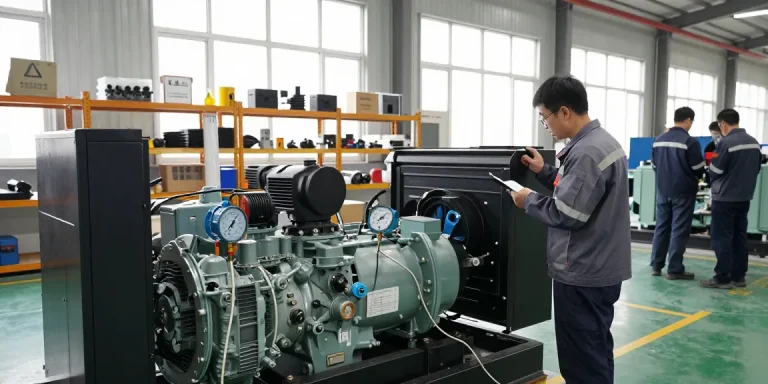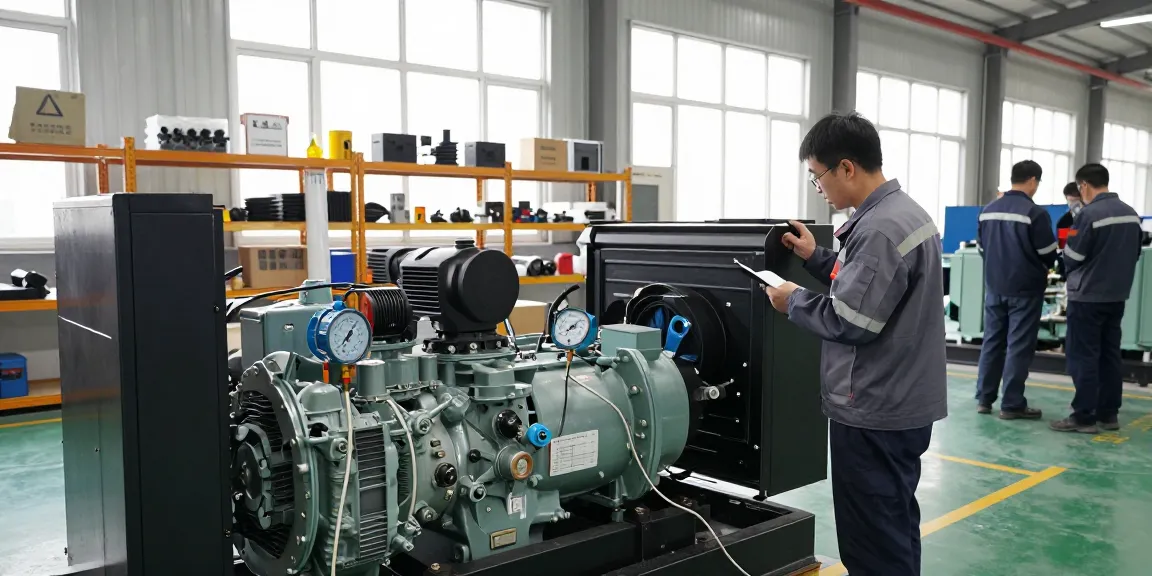
Understanding the Role of a Generator Manufacturer
As the world increasingly relies on consistent power sources, the role of a generator manufacturer has become more vital than ever. These manufacturers not only design and produce generators but also tailor them to meet specific industry demands and operational conditions. This article explores how a generator manufacturer can stand out in a competitive industry, the importance of quality standards, and the ability to cater to diverse market needs.
What Makes a Manufacturer Stand Out?
In today’s saturated market, distinguishing a generator manufacturer involves several critical factors. First and foremost, innovation plays a substantial role. Leading manufacturers invest in research and development to introduce cutting-edge technologies that enhance the performance and efficiency of their generator sets. This includes advancements in fuel efficiency, noise reduction, and integration with smart technologies, enabling seamless operation in various conditions.
Another significant element is the company’s commitment to customer service. Providing exceptional pre-sales and post-sales support, including installation and maintenance services, can significantly improve client satisfaction. Therefore, fostering a team of knowledgeable engineers and technicians becomes essential in maintaining long-term relationships with clients.
The Importance of Quality Standards in Production
Quality assurance is a non-negotiable aspect of any manufacturing process, especially for generator manufacturers. Adhering to international standards such as ISO 9001 can ensure that products are reliable and compliant with safety regulations. Furthermore, rigorous testing procedures must be implemented at every stage of production, from materials sourcing to final assembly, to eliminate defects and ensure optimal performance.
Moreover, implementing quality control measures can help build a brand’s reputation. Manufacturers that consistently deliver high-quality products are often rewarded with customer loyalty, contributing to increased market share and profitability.
How to Cater to Diverse Market Needs
Generator manufacturers must understand that diverse market needs require equally diverse solutions. Tailoring products to suit various applications—such as residential, commercial, and industrial uses—can significantly widen a manufacturer’s appeal. This involves customizing generator sets based on environmental factors like temperature, air quality, and humidity levels.
Additionally, manufacturers should analyze usage profiles to provide power system recommendations tailored to high-utilization scenarios, ensuring efficiency and reliability. The flexibility to adapt products based on specific customer requirements will undoubtedly enhance a manufacturer’s competitive edge in the marketplace.
Innovative Technologies in Generator Manufacturing
The generator manufacturing industry is continuously evolving, with innovative technologies leading the charge. These advancements not only improve the performance of generator sets but also align with global trends towards sustainability and efficiency.
Emerging Trends in Generator Design and Efficiency
As technology advances, so do the designs of generators. Emerging trends include the use of lightweight materials and compact designs that enhance portability without sacrificing power output. Additionally, developments in engine technology, such as the adoption of hybrid systems that utilize both traditional fuels and renewable sources, are paving the way for more efficient generators.
Manufacturers are also starting to incorporate IoT technologies, allowing users to monitor generator performance remotely and receive maintenance alerts in real time. This shift toward connected machinery is becoming a standard expectation in the industry.
Integrating Renewable Energy Solutions
With the global focus on sustainability, integrating renewable energy sources into generator design is essential. Modern generator manufacturers are exploring options such as solar and wind-powered generators, which can significantly reduce carbon emissions.
Moreover, energy storage systems like batteries are now being included alongside traditional generator sets to provide hybrid solutions that enhance energy resilience and reliability. These innovations not only cater to environmentally conscious consumers but also comply with increasingly stringent regulations regarding emissions and sustainability.
The Future of Smart Generators
Smart generators are set to revolutionize the industry by leveraging advanced technologies such as artificial intelligence and machine learning. These technologies will enable predictive maintenance, optimizing performance based on usage patterns, and improving overall efficiency.
Additionally, smart generators can integrate seamlessly into smart grids, allowing for better energy management and distribution. This capability positions manufacturers ahead of the curve, ready to meet the demands of a progressively digital world.
Client Engagement and Customization
The ability to engage clients effectively and deliver customized solutions is crucial for generator manufacturers looking to thrive in a competitive landscape. Understanding client needs and preferences is essential to developing products that truly fit their requirements.
Understanding Client Requirements and Preferences
Effective communication with clients is critical in establishing a successful relationship. Manufacturers must actively listen to their clients’ needs and gather detailed information regarding their specific operational environments. This involves not only understanding the power requirements but also factors like noise sensitivity and environmental impacts.
Surveys, feedback mechanisms, and direct discussions can provide invaluable insights into client expectations, allowing manufacturers to tailor their offerings accordingly.
Delivering Tailored Solutions for Different Applications
No two applications are the same, which underscores the importance of customization in generator manufacturing. Whether it’s for construction sites requiring robust and portable units or hospitals needing reliable power supplies, manufacturers must be prepared to offer tailored solutions.
By providing bespoke options, manufacturers can ensure better performance and customer satisfaction, leading to higher rates of client retention and referrals.
Building Long-Term Relationships with Clients
Beyond just providing a product, building long-term relationships with clients requires ongoing support and engagement. Regular follow-ups, maintenance services, and updates on new technologies can enhance loyalty and encourage repeat business.
Additionally, manufacturers can benefit from establishing a community around their brand, where clients can share experiences and provide feedback. This engagement fosters a sense of belonging and connection, which can significantly impact client retention.
Streamlining the Ordering Process
An efficient ordering process is paramount in the generator manufacturing industry, where delays can lead to costly downtime for clients. Streamlining this process not only enhances customer satisfaction but also bolsters operational efficiency.
Initiating Orders: What Clients Need to Know
For clients looking to place an order, understanding the steps involved can be beneficial. Manufacturers should clearly outline the ordering process, from initial inquiry to delivery, ensuring clients feel supported throughout. This information can be conveyed through various channels, including websites, brochures, and customer service representatives.
Best Practices for Efficient Order Management
Implementing best practices for order management can optimize workflow and minimize errors. Utilizing technology to automate parts of the ordering process, such as inventory tracking and order confirmations, can significantly enhance efficiency.
Moreover, a centralized order management system can facilitate better communication between sales and production teams, ensuring that client expectations are met promptly.
Ensuring Timely Delivery and Customer Satisfaction
Timeliness is a critical component of customer satisfaction in generator manufacturing. Establishing clear timelines and keeping clients informed of their order status can build trust and confidence in the manufacturer’s capabilities. Tracking systems that provide real-time updates can also enhance the client experience during the waiting period.
Future Trends in Generator Manufacturing
Looking ahead, the generator manufacturing industry is poised for significant transformations driven by technological advancements and changing market dynamics. Understanding these trends will be crucial for manufacturers aiming to remain competitive.
Predictions for the Industry in 2026 and Beyond
By 2026, the demand for more versatile, efficient, and eco-friendly generators is expected to grow. Manufacturers will need to pivot towards integrating renewable energy sources, as regulations surrounding emissions become more stringent across the globe. Those who adapt quickly and effectively will lead in market share.
How Sustainability will Shape Manufacturing Practices
As sustainability becomes a focal point in global strategies, manufacturers must consider how their practices impact the environment. This not only includes the end products but also how they source materials and manage waste. Companies adopting sustainable practices will not only comply with regulations but also attract a growing number of eco-conscious consumers.
Technological Innovations on the Horizon
Innovations such as advanced battery storage, cloud-connected systems, and AI-driven analytics are on the horizon and set to revolutionize how generators are designed and deployed. Manufacturers must stay ahead of these trends, investing in the necessary research and development to integrate these technologies into their offerings.
What is the Impact of Global Regulations on Manufacturers?
Global regulations significantly impact how generator manufacturers operate. Compliance with emissions standards and safety regulations can drive innovation as companies develop new technologies to meet these requirements.
Additionally, understanding regional regulations will allow manufacturers to tailor their products to fit specific markets, enhancing their global competitiveness.
How Can Manufacturers Prepare for Future Market Demands?
Preparation for future market demands involves proactive investment in R&D, staying informed of industry trends, and maintaining flexibility in production practices. Manufacturers that embrace change and prioritize adaptability will likely thrive in the ever-evolving landscape of generator manufacturing.
About the Author