Understanding Mold Manufacturing Fundamentals
Mold manufacturing is an essential process in the production of various components across multiple industries, including automotive, aerospace, and consumer electronics. By creating precise molds, manufacturers can produce high-quality parts that meet stringent specifications. This article delves into the fundamentals of mold manufacturing, shedding light on its importance, common techniques, and the best practices that drive successful outcomes. As companies seek to optimize their production processes, understanding mold manufacturing becomes crucial for maintaining a competitive edge.
What is Mold Manufacturing?
Mold manufacturing refers to the process of creating molds, which are hollow forms used to shape materials such as plastics, metals, and composites. This technique is instrumental in producing a wide range of products, from automotive components to intricate medical devices. The mold is typically made from durable materials like steel or aluminum, designed to withstand the high pressures and temperatures of the manufacturing process.
The Importance of Precision in Mold Creation
Precision in mold creation is paramount, as even minor inaccuracies can lead to significant defects in the final product. Accurate molds ensure that parts fit together seamlessly, reducing the need for costly rework or replacement. Additionally, precision contributes to the integrity and performance of the component, making it a critical factor in industries where safety and reliability are non-negotiable.
Key Techniques in Modern Mold Manufacturing
Modern mold manufacturing employs several techniques to enhance efficiency and accuracy:
- Injection Molding: This widely-used method involves injecting molten material into a mold, allowing for the rapid production of complex shapes and high volumes.
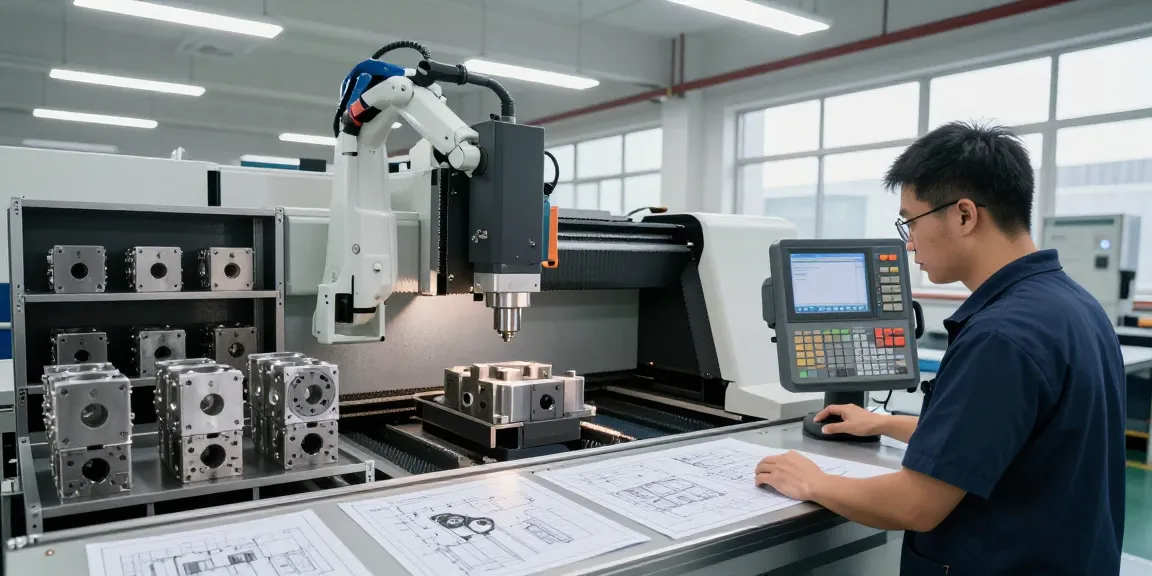
- CNC Machining: Computer Numerical Control (CNC) machining is used to create molds with intricate geometries by precisely cutting and shaping materials.
- 3D Printing: Rapid prototyping through 3D printing is becoming increasingly popular, enabling quick iterations and adjustments during the design phase.
Common Challenges in Mold Manufacturing
Despite its many advantages, mold manufacturing comes with its own set of challenges. Understanding these challenges is crucial for optimizing the process and ensuring high-quality outcomes.
Material Selection and Its Impact on Mold Quality
Choosing the right material for mold production significantly affects the quality and longevity of the mold itself. Factors such as thermal conductivity, strength, and wear resistance must be considered. For instance, steel molds are durable but more expensive, while aluminum molds are cost-effective but may not offer the same longevity.
Dealing with Tolerances and Dimensional Accuracy
Maintaining tight tolerances is essential for producing parts that meet specifications. Effective measurement tools and techniques must be employed to ensure that molds are accurately machined. Any deviations can lead to increased production costs and delays.
Understanding the Cost Implications of Mold Manufacturing
The cost of mold manufacturing can vary widely based on complexity, materials used, and production methods. Understanding these factors can help manufacturers make informed decisions and optimize their budget. Investing in high-quality molds may increase upfront costs but can lead to lower long-term expenses due to reduced scrap rates and faster production cycles.
Best Practices for Effective Mold Manufacturing
To navigate the challenges of mold manufacturing, adopting best practices can enhance efficiency and product quality.
Employing Advanced Technologies in Mold Production
Integrating advanced technologies such as CAD software for design and simulation tools can streamline the mold design process. These technologies allow for better visualization and analysis, resulting in more effective mold designs.
Regular Maintenance and Inspection of Equipment
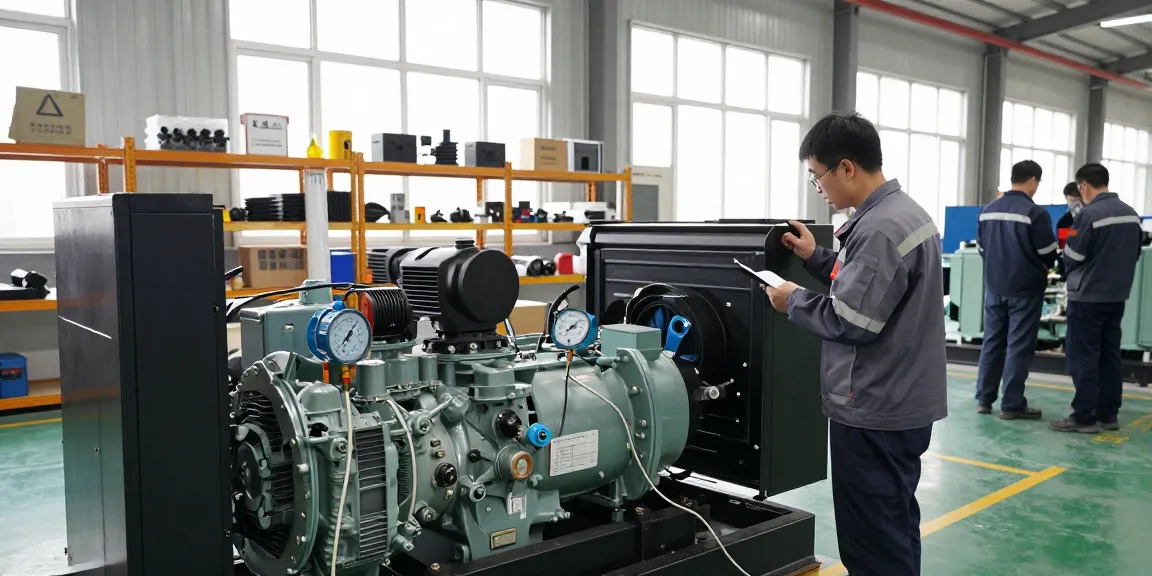
Maintaining and regularly inspecting machinery used in mold manufacturing is critical for preventing breakdowns and ensuring consistent quality. A preventive maintenance schedule can reduce downtime and extend the lifespan of manufacturing equipment.
Quality Assurance Steps in the Mold Manufacturing Process
Implementing a robust quality assurance process throughout the mold manufacturing cycle can help catch defects early. Techniques such as in-process inspection and final part validation are essential for delivering high-quality products that meet customer expectations.
Real-World Applications and Case Studies
The principles of mold manufacturing are increasingly applied across various industries. Here are some notable examples:
Innovative Mold Manufacturing in the Automotive Industry
Automakers rely heavily on mold manufacturing for producing complex components like dashboards and engine parts. Innovations such as lightweight molds allow for faster production cycles without compromising quality.
Case Study: Aerospace Mold Production Success
A prominent aerospace manufacturer implemented advanced CNC machining techniques to create molds for critical flight components. The precision achieved not only improved performance but also significantly reduced production costs.
Lessons from Mold Manufacturing for Consumer Electronics
The consumer electronics sector benefits from rapid prototyping and flexible mold manufacturing processes. By adapting to changing designs, manufacturers can bring products to market more swiftly, thereby gaining a competitive advantage.
Future Trends in Mold Manufacturing by 2026
As technology continues to evolve, several trends are shaping the future of mold manufacturing:
Emerging Technologies Shaping the Mold Industry
Technologies like AI and machine learning are transforming mold manufacturing by optimizing designs and predicting maintenance needs, thus improving efficiency.
Environmental Considerations and Sustainability in Mold Production
There is an increasing emphasis on sustainable practices in mold manufacturing. Techniques such as using biodegradable materials and energy-efficient processes are becoming standard to reduce the environmental footprint.
Predictions for Market Growth and Demand in 2026
Market analysts predict continued growth in the mold manufacturing sector, driven by advancements in technology and increasing demand from industries such as medical devices and consumer electronics, which will further drive innovations in this space.
What are the key considerations for mold manufacturing?
Key considerations include material selection, precision capabilities, and cost management, ensuring that the manufacturing process aligns with industry standards and customer requirements.
How does material selection affect mold quality?
Material selection directly impacts mold durability, thermal resistance, and the ability to produce high-quality components, influencing the overall efficiency and cost-effectiveness of production.
What technologies are transforming the mold manufacturing industry?
Technologies such as 3D printing, CNC machining, and CAD software are enabling more complex designs and faster production, thus transforming traditional mold manufacturing practices.
Why is precision critical in mold production?
Precision ensures that manufactured parts meet exact specifications, reducing the likelihood of defects and ensuring the components function as intended.
What are the cost implications of mold manufacturing?
Understanding the long-term costs, including material durability and production efficiency, is vital for manufacturers looking to balance upfront costs with operational expenditure.