Understanding Wood-Boring Insects and Their Impact
Wood-boring insects, commonly referred to as woodworms, pose a significant threat to wooden structures. From historic buildings to modern furniture, these pests can cause extensive damage that may not only diminish the aesthetic value but also compromise the structural integrity of the wood. Through innovative solutions like SHASHEL®, effective treatment methods have emerged that eliminate these pests rapidly and safely.
What Are Wood-Boring Insects?
Wood-boring insects are a diverse group of pests that include beetles and larvae that feed on wood. These insects create tunnels within wooden structures, leading to deterioration over time. Common examples include the common furniture beetle, the powderpost beetle, and the house longhorn beetle. Understanding these pests is crucial for efficient treatment and prevention.
Common Types of Woodworms and Their Dangers
- Common Furniture Beetle: Very prevalent in Europe, this beetle can inflict considerable damage on furniture and flooring.
- Powderpost Beetle: Known for creating fine powder as they bore through wood, they can weaken beams and structural pieces significantly.
- House Longhorn Beetle: This variety prefers hardwoods and can cause severe structural damage if left untreated.
The dangers posed by these insects extend beyond just wood damage; they can also lead to costly repairs and potential safety hazards within buildings, making prompt identification and treatment essential.
Signs of Infestation in Wooden Structures
Identifying woodworm infestations early can save homeowners and businesses from extensive damage. The key signs to look for include:
- Frass: This is the powdery residue left behind as the woodworm tunnels through wood.
- Boreholes: Small holes, often about the size of a pencil lead, indicate the exit points of adult beetles.
- Weakening Structures: A noticeable decrease in the structural integrity, such as sagging floors or unstable furniture, can be a sign of deeper infestations.
How SHASHEL® Microwave Technology Works
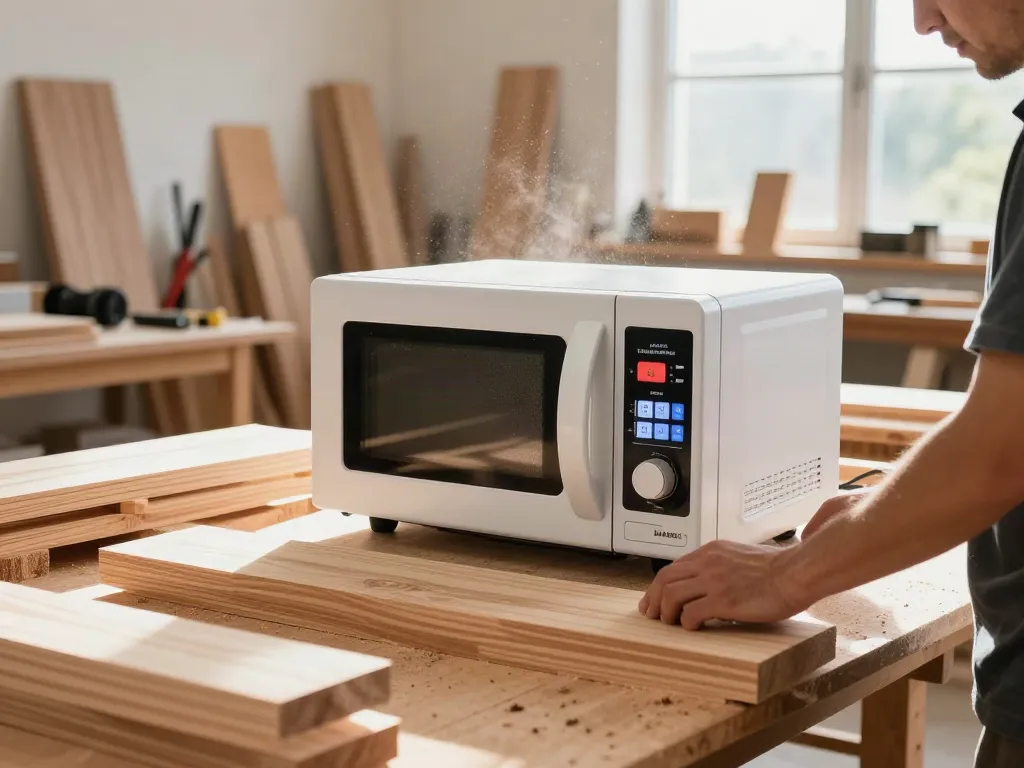
SHASHEL® utilizes cutting-edge microwave technology to eradicate wood-boring insects effectively. This method is a revolutionary shift from traditional pest control techniques, emphasizing a rapid and chemical-free approach to pest management.
The Science Behind Microwave Pest Control
Microwave pest control works by emitting high-frequency waves that penetrate wood, generating heat. This rapid heating process can efficiently target and kill wood-boring insects at different life stages, including larvae, pupae, and adults without causing harm to the surrounding materials.
Comparison with Traditional Pest Control Methods
Traditional pest control methods often rely on chemical treatments, which can be hazardous to human health and the environment. In contrast, SHASHEL® products provide a safer, eco-friendly option that eliminates pests without residual chemicals. This not only protects the people living or working in treated spaces but also minimizes environmental impact.
Safety Features of SHASHEL® Equipment
Safety is paramount in any pest treatment solution. SHASHEL® equipment is designed with multiple safety features, including automatic shut-off systems, thermal management controls, and user-friendly interfaces to ensure safe operation. These innovations make it accessible for both professionals and do-it-yourself enthusiasts.
Benefits of Using SHASHEL® for Wood Treatment
Employing SHASHEL® technology for wood treatment comes with numerous advantages that elevate its status as an industry leader in pest control.
Chemical-Free Treatment for Healthier Spaces
The elimination of chemicals in pest control is a significant benefit for many users. SHASHEL® offers a solution that protects your health and the integrity of your living spaces, making it ideal for families and businesses aiming for a safer environment.
Efficiency: Elimination in Minutes
One of the standout features of SHASHEL® technology is its speed. Wood-boring insects can be eliminated within minutes, drastically reducing the downtime associated with traditional treatments. This efficiency helps restore normalcy to affected areas quickly.
Versatility: Safe for Various Materials
SHASHEL® equipment is not limited to wooden structures; it can be effectively used on various materials, including textiles and certain metals. This versatility ensures that wherever pests may hide, a SHASHEL® solution exists.
Optimizing the Use of SHASHEL® in Woodworking
To maximize the effectiveness of SHASHEL® technology, users should adhere to best practices that guarantee thorough treatment and ongoing prevention of infestations.
Step-by-Step Guide to Using SHASHEL® Effectively
- Preparation: Clear the area of any obstructions and remove vulnerable items.
- Calibration: Ensure that the SHASHEL® device is calibrated for the type of wood and the extent of infestation.
- Application: Use the device according to the manufacturer's guidelines, monitoring the process closely.
- Post-Treatment Assessment: After treatment, inspect the area for any remaining signs of infestation and re-treat if necessary.
Best Practices for Wood Treatment Maintenance
Maintaining treated areas is equally important. Regular inspections, combined with preventive measures like proper ventilation and humidity control, can help stave off future infestations. Additionally, storing wood products in controlled environments further reduces risks.
Real-World Case Studies of Successful Treatments
Numerous successful implementations of SHASHEL® technology highlight its efficacy. For instance, a European furniture manufacturer recently faced severe woodworm infestations, jeopardizing production. After employing SHASHEL®, they experienced complete elimination within hours, allowing for a swift return to operations. Such case studies provide a testament to the reliability and effectiveness of microwave pest control.
Future Trends in Wood Treatment Technologies
The landscape of pest control is continuously evolving, with technology paving the way for innovative solutions. Here, we explore anticipated advancements in wood treatment technologies.
Emerging Innovations for 2026 and Beyond
As awareness of sustainable practices grows, expect to see more environmentally-friendly technologies emerge. Companies are investing in research and development to enhance the efficiency of microwave systems, potentially integrating AI for predictive analytics in pest control.
Environmental Considerations and Sustainability
Future pest control technologies will likely focus on reducing ecological footprints while being effective. Solutions that align with sustainability goals will be prioritized, ensuring that environmental implications are considered in pest management strategies.
Predicted Advances in Microwave Technology for Pest Control
Advancements in microwave technology will continue to improve the precision and effectiveness of treatments. Future developments may include more compact devices capable of targeting pests in smaller spaces and penetrating various materials more efficiently.