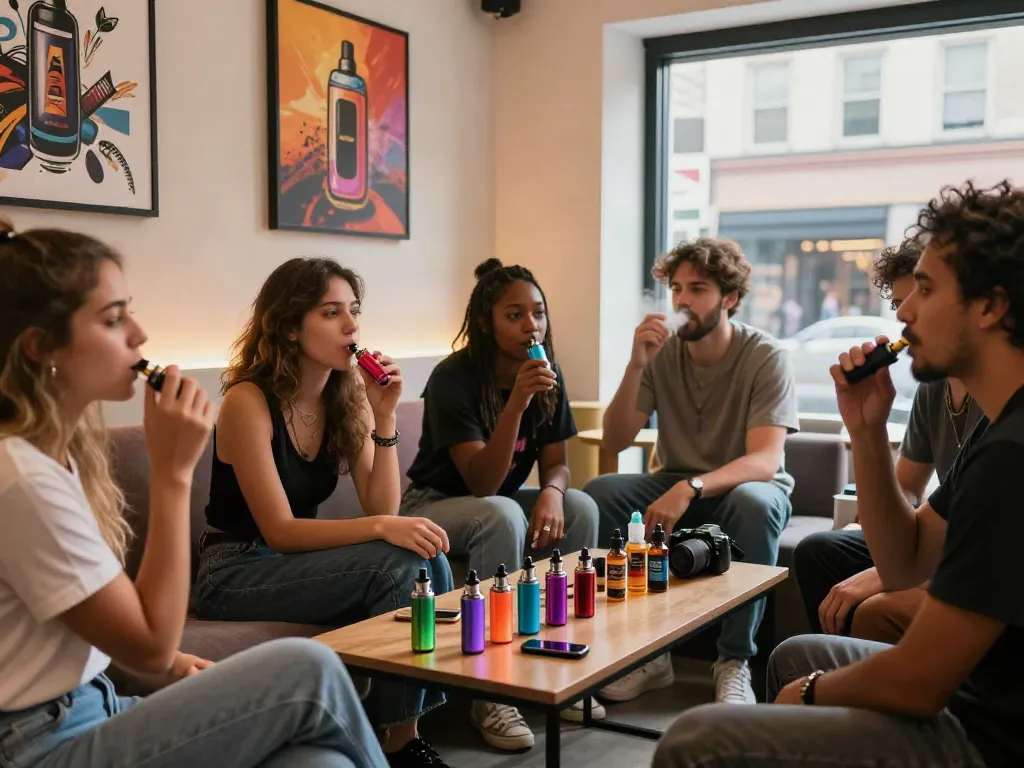
The Evolution of Vape E Liquid Trends
Vaping has rapidly evolved from a simple alternative to traditional smoking into a multifaceted culture with a loyal following. As more people seek alternatives to combustible tobacco products, the demand for vape e liquid has soared, leading to innovations in flavor, formulation, and delivery systems. This article explores the historical context of vaping, current popular flavors and brands, and how consumer preferences have shifted over time, giving you insights into the evolution of the vaping market.
Historical Context of Vaping
The origins of vaping can be traced back to the early 2000s when Hon Lik, a Chinese pharmacist, invented the first commercially successful e-cigarette. Lik's invention aimed to provide a less harmful alternative to smoking, and it quickly gained traction. By incorporating a battery-powered heating element that vaporizes e-liquid, he laid the foundation for what would become a booming industry. Over the next few years, vaping technology improved significantly, with advancements in battery life, e-liquid formulations, and device design.
Current Popular Flavors and Brands
Today, the vape e liquid market offers an extensive variety of flavors to cater to diverse consumer tastes. Popular brands like Naked 100, Candy King, and Jam Monster have revolutionized the vaping experience with flavors ranging from fruity and sweet to savory and dessert-like. For instance, Naked 100’s well-known “Hawaiian POG” blends passion fruit, orange, and guava, while Jam Monster focuses on the delightful taste of jam and toast, capturing the essence of breakfast in a bottle. These brands emphasize quality ingredients and transparent manufacturing processes, enhancing consumer trust.
Consumer Preferences Changing Over Time
Consumer preferences in the vape e liquid market continue to evolve. Initially, smokers turned to vaping primarily for nicotine delivery. However, as the vape culture has grown, so has the focus on flavor and experience. Many vapers now prioritize the enjoyment of the vaping experience over nicotine satisfaction, leading to a surge in sales of nicotine-free options and unique flavor profiles. The social aspect of vaping has also introduced new trends like cloud-chasing and flavor competitions, further diversifying consumer interests.
Understanding Vape E Liquid Ingredients
To appreciate the nuances of vape e liquid, it's crucial to understand its core components. E-liquids generally consist of propylene glycol (PG), vegetable glycerin (VG), flavorings, and nicotine. The balance of these ingredients not only affects the flavor but also the vaping experience. For instance, VG is thicker and produces larger vapor clouds, while PG offers a throat hit similar to traditional cigarettes, making the choice of PG/VG ratios critical for customized vaping experiences.
Core Components of E Liquids
E-liquids are primarily made from three main ingredients: propylene glycol, vegetable glycerin, and flavorings. Propylene glycol is a colorless, odorless liquid that is commonly used in food products, pharmaceuticals, and cosmetics. It is known for its ability to produce a throat hit that mimics traditional cigarette smoking, making it a popular choice among vapers. Vegetable glycerin, on the other hand, is a thicker, sweeter liquid derived from vegetable oils, known for its excellent vapor production. Together, these ingredients create a base that is perfect for flavoring and nicotine infusion.
Nicotine Strengths and Their Impacts
Nicotine strength is a critical factor influencing the vaping experience. The options typically range from zero to 24 mg/mL, catering to varying levels of nicotine dependence. A novice vaper might start with a higher nicotine concentration to replicate the satisfaction of smoking, while experienced users may opt for lower strengths or nicotine-free liquids for enjoyment without the addictive component. Understanding personal tolerance and desired effects is essential for selecting the right nicotine level, as it can significantly impact the overall satisfaction and experience of vaping.
VG/PG Ratios and Vaping Experiences
The VG/PG ratio in vape e liquid determines the thickness of the liquid and the type of vaping experience it provides. A high VG ratio (e.g., 70/30) results in a thicker liquid, producing more vapor and a smoother inhale, ideal for cloud chasers. Conversely, a higher PG ratio (e.g., 50/50) offers a more robust throat hit, preferred by ex-smokers looking for a similar experience to traditional smoking. Ultimately, the choice of VG/PG ratio should reflect personal preferences for both flavor intensity and vapor production.
Safe Vaping Practices and Regulations
While vaping may be perceived as a safer alternative to smoking, it is essential to approach it with caution and informed understanding. Adopting safe vaping practices involves being aware of health considerations, local regulations, and the importance of quality control in the products being used. This ensures not only a pleasurable experience but also minimizes health risks associated with vaping.
Health Considerations for E Liquid Users
Research on the long-term health effects of vaping is still evolving, but current studies indicate that while vaping is less harmful than smoking, it is not entirely without risks. Vapers should be mindful of potential respiratory issues, allergic reactions to certain flavorings, and the addictive nature of nicotine. It is also crucial to understand the implications of using unregulated products, which may contain harmful substances. Regularly reviewing and staying informed about health recommendations can help users make educated decisions.
Understanding Local Regulations and Guidelines
Vaping regulations vary widely across regions and countries, influencing product availability and usage. In the United States, for example, the FDA has imposed strict regulations on e-liquids, including child-resistant packaging and ingredient disclosures. Understanding local laws is vital for consumers to ensure compliance and to advocate for safe vaping practices within their communities. It’s also essential for retailers and manufacturers to adhere to these guidelines to promote transparency and safety in the market.
The Importance of Quality Control and Lab Testing
Quality control is paramount in the vaping industry, particularly concerning e-liquids. Reputable manufacturers employ third-party lab testing to verify the safety and quality of their products. This testing ensures that e-liquids are free from harmful contaminants and accurately labeled regarding ingredients and nicotine content. Consumers should seek out brands that provide lab reports and transparency in their manufacturing processes, reinforcing their commitment to safety and quality. Ensuring that e-liquids undergo rigorous testing can protect users from potential health hazards, enhancing overall trust in the vaping experience.
Where to Buy Vape E Liquids in 2026
As the vape e liquid market continues to grow, knowing where to find reputable products becomes increasingly important. Consumers have a plethora of online retailers at their disposal, but identifying reliable sources that offer a variety of flavors and competitive pricing is key to a satisfactory shopping experience.
Reputable Online Retailers
When searching for vape e liquid, it's essential to consider reputable online retailers that prioritize customer satisfaction, product quality, and a wide selection. Websites like Ejuice Vape Distro provide extensive collections of quality e-liquids, offering budget-friendly options without sacrificing flavor or quality. Such retailers often feature user reviews, detailed product descriptions, and competitive pricing that cater to all types of vapers.
Comparing Prices and Discounts
Price comparison is a vital strategy for consumers looking to maximize their vaping budget. Many online shops offer frequent promotions, bulk buying discounts, and loyalty programs. This allows vapers to stock up on their favorite flavors at reduced prices. By keeping an eye on seasonal sales and promotions, savvy shoppers can take advantage of the best deals in the market.
Customer Reviews and Reliable Sources
Customer reviews play a pivotal role in assessing the quality and reliability of vape e liquid products. Potential buyers should consider feedback from other users to gauge flavor profiles, nicotine delivery, and overall satisfaction. Reliable sources often feature detailed reviews and community ratings, providing valuable insights into the best products available. Engaging with the vaping community through forums and social media can also help identify trustworthy brands and retailers.
Future Predictions for Vape E Liquid Market
The vape e liquid market is expected to evolve significantly over the next few years, driven by technological advancements, changing consumer preferences, and regulatory landscapes. Emerging trends and innovations are likely to shape the future of vaping, creating new opportunities and challenges for both consumers and manufacturers.
Emerging Trends and Innovations
As vaping becomes more mainstream, new trends are emerging that are likely to redefine the market landscape. Innovations such as nicotine salt e-liquids, which offer a smoother vape experience and a quicker nicotine absorption, are gaining popularity. Additionally, customizable e-liquids and personal flavoring systems are paving the way for individualized vaping experiences. The integration of technology, such as mobile apps for tracking usage and nicotine intake, may also play a significant role in the future of vaping.
Impact of Technology on Vaping Products
Technological advancements are revolutionizing the way manufacturers design and produce vape products. The introduction of smart devices that monitor battery life, temperature control, and even user preferences enhances the vaping experience. These innovations not only improve performance but also ensure a safer and more enjoyable user experience. As technology continues to advance, consumers can expect more sophisticated devices and e-liquids that cater to their needs.
Potential Challenges Facing the Industry
Despite growth opportunities, the vape industry faces several challenges, including regulatory scrutiny and public perception. Ongoing debates regarding health risks and youth vaping have led to increased regulations in many regions. Manufacturers and retailers must navigate these challenges carefully to maintain public trust and ensure compliance with laws. Stakeholders must work collaboratively to address concerns while promoting responsible vaping practices that prioritize consumer safety and satisfaction.
What Are the Most Common Misconceptions?
Misconceptions surrounding vaping can lead to misunderstandings and unfounded fears. One common myth is that vaping is entirely safe; while it poses fewer risks than smoking traditional cigarettes, it is not without its hazards. Additionally, some believe that vaping is exclusively for teenagers, while in reality, vaping appeals to a diverse demographic, including adults seeking alternatives to smoking. Education and awareness campaigns can help dispel these myths and promote informed decision-making.
How to Choose the Best Vape E Liquids?
Selecting the best vape e liquid involves considering several factors, including flavor preference, nicotine strength, and PG/VG ratios. Sampling various e-liquids can help identify the ones that suit personal tastes and vaping styles. Reputable retailers often offer sample sizes, allowing users to try before committing to larger bottles. Additionally, checking for lab testing and ingredient transparency is crucial for ensuring quality and safety.
Are There Health Risks in Vaping?
While vaping is generally considered less harmful than smoking, it is essential to recognize that it is not entirely risk-free. Health risks can include respiratory irritation, allergic reactions to certain flavorings, and the potential for nicotine addiction. Awareness and education are vital for vapers to understand potential health implications and make informed choices. Regularly consulting health professionals and staying updated on research findings can help vapers navigate these risks.
What Is the Future of Vaping Regulations?
The future of vaping regulations is continuously evolving. As governments and health organizations raise concerns about public health, it is likely that stricter regulations will emerge. Potential regulations may include increased age restrictions, flavor bans, and stricter advertising guidelines. Stakeholders in the vaping industry must advocate for responsible policies that prioritize safety while ensuring the product quality and market viability.
What Should Beginners Know About Vape Products?
New vapers should familiarize themselves with the basics of vaping to ensure a positive experience. Understanding the different types of devices, e-liquids, and nicotine strengths is crucial for making informed choices. Beginners should also consider their preferred vaping style and the flavors they enjoy. Engaging in online communities and forums can provide valuable insights and advice for new users navigating the vaping landscape.
How Do Different VG/PG Ratios Affect Vaping?
The VG/PG ratio significantly impacts the vaping experience. Higher VG ratios produce thicker vapor and a smoother hit, ideal for cloud chasers, while higher PG ratios offer a more pronounced throat hit, preferred by those transitioning from traditional cigarettes. Users should experiment with different ratios to find their optimal balance, ensuring a satisfying and enjoyable vaping experience.
Can You Mix Different Vape E Liquid Flavors?
Yes, mixing different vape e liquid flavors can create unique and personalized combinations. Many vapers enjoy experimenting with various flavors to discover new favorites. However, it’s essential to consider compatibility; some flavor profiles may not blend well together. Starting with small quantities and gradually adjusting ratios can help achieve the desired taste without waste.