Understanding Ceiling Speakers: The Basics
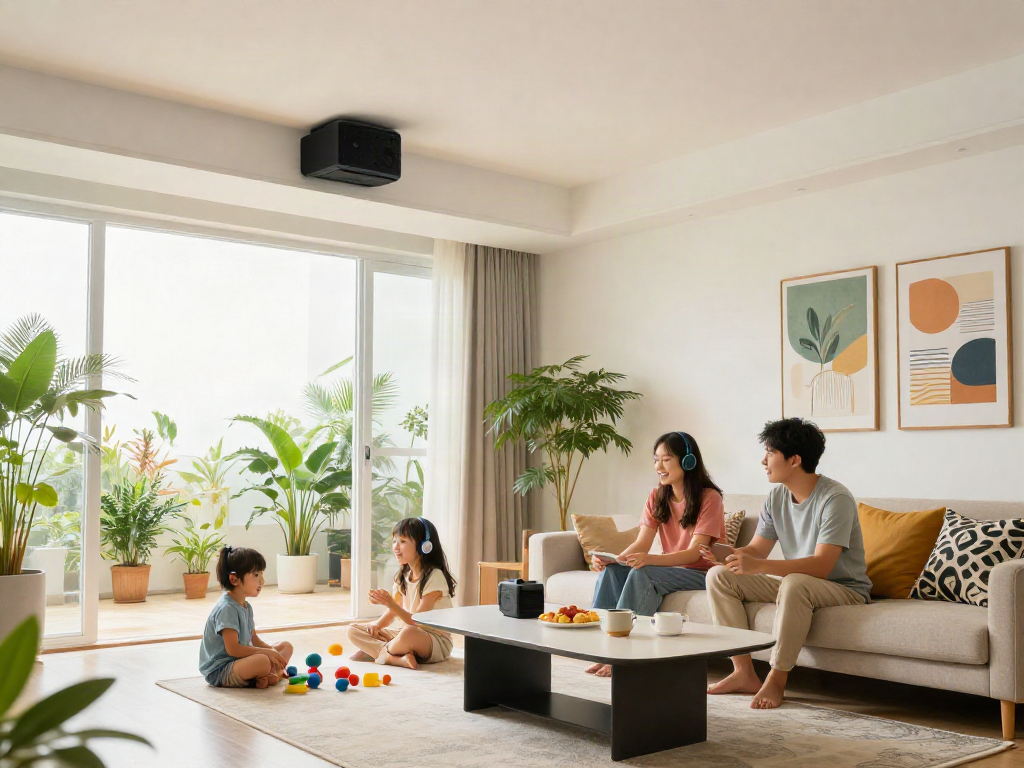
Ceiling speakers, often referred to as in-ceiling speakers, are a popular audio solution for those seeking to minimize visible equipment while enhancing sound quality in their environments. These speakers are designed to be flush-mounted into the ceiling, providing a clean and unobtrusive look, perfect for both residential and commercial spaces. This article will not only cover the fundamental aspects of ceiling speakers but will also delve into various considerations when خرید اسپیکر سقفی, installation tips, and future trends in ceiling speaker technology.
What Are Ceiling Speakers?
Ceiling speakers are designed to blend seamlessly into your ceiling, providing high-quality sound without the bulk of traditional speakers. Typically constructed with a woofer and a tweeter, these speakers utilize a unique design that allows them to distribute sound evenly across a room. They are especially popular in home theaters, offices, and retail spaces, offering an immersive audio experience without the clutter of visible equipment. Additionally, many models come with the ability to adjust frequency response tailored to different audio environments.
Benefits of خرید اسپیکر سقفی
Investing in ceiling speakers comes with several advantages:
- Space-Saving Design: Ceiling speakers take up no floor space, making them ideal for smaller rooms.
- Enhanced Aesthetics: They provide a sleek, modern look, contributing to the overall design of your space.
- Sound Distribution: Ceiling speakers typically offer omnidirectional sound, allowing for better audio coverage across a room.
- Flexibility: They can be integrated into multi-room audio systems or used independently, depending on your needs.
Common Specifications and Features
When shopping for ceiling speakers, it’s important to consider various specifications to ensure you select the right model. Key features to look for include:
- Power Handling: Measured in watts, this indicates how much power the speaker can handle without distortion.
- Frequency Response: This measures the range of sound frequencies the speaker can produce, affecting sound quality.
- Sensitivity: This rating shows how effectively the speaker converts power into sound, impacting overall loudness.
- Impedance: Affects how much power your amplifier will need to drive the speaker effectively.
- Rotatable Tweeters: Many models feature adjustable tweeters to direct sound where it’s most needed.
Choosing the Right Ceiling Speaker for Your Needs
When it comes to selecting the best ceiling speaker for your space, several factors are critical to ensuring that you make the right choice for your audio needs.
Factors to Consider When Buying
Before making a purchase, consider the following:
- Room Size: Larger rooms may require more powerful speakers or multiple units to achieve even sound coverage.
- Audio Source: Ensure compatibility with your existing audio systems and preferences for music, movies, or gaming.
- Installation Complexity: Depending on your DIY skills, you may want to consider ease of installation versus hiring a professional.
- Budget: Quality ceiling speakers can vary widely in price, so determine your budget upfront to narrow your options.
Top Brands and Models of 2026
Some leading brands in the ceiling speaker market for 2026 include:
- Klipsch: Known for their premium audio quality and robust speaker designs.
- Polk Audio: Offers an excellent range of ceiling speakers that balance sound quality and affordability.
- Sonos: Renowned for smart speaker integration and superior sound performance.
- JBL: A brand favored for its durability and widespread compatibility with various systems.
How to Match Speakers with Your Room
To achieve optimal sound performance, matching speaker specifications with your room's acoustics is vital. Consider the following:
- Assess ceiling height and room dimensions to determine speaker coverage.
- Position speakers for balanced sound delivery, avoiding corners where bass may become overwhelming.
- Use sound-absorbing materials in the room to enhance audio quality, particularly if the space has hard surfaces.
Installation Tips for Optimal Performance
The installation of ceiling speakers can significantly impact their performance. Proper installation ensures that you maximize sound quality while maintaining the aesthetic appeal of your space.
DIY vs. Professional Installation
Whether to undertake a DIY installation or hire a professional often depends on your comfort level with electrical work and wiring. DIY installation can be cost-effective, provided you have the necessary skills and tools. However, professional installation guarantees expertise, especially in ensuring proper speaker placement and connection to audio systems.
Essential Tools and Materials Needed
Should you choose to install ceiling speakers yourself, you’ll need the following tools:
- Drill and drill bits
- Wire cutters and strippers
- Screwdrivers
- Stud finder
- Speaker wire
Placement Strategies for Best Sound Quality
For the best sound quality, consider the following placement strategies:
- Install speakers at least two feet away from walls for optimal sound dispersion.
- Align speakers with seating areas to enhance audio experience.
- Consider using a professional audio installer if you have complex requirements or unusual room configurations.
Connecting Your Ceiling Speakers to Audio Systems
Understanding how to connect your ceiling speakers to audio systems is essential for achieving the best sound quality possible. Proper wiring and connections play a significant role in performance.
Wiring Basics Made Simple
When connecting ceiling speakers, it’s crucial to use quality speaker wire and ensure correct polarity. Typically, you’ll want to connect the positive terminal on the speaker to the positive terminal on the amplifier and the same for the negative.
Compatible Audio Systems for 2026
Most ceiling speakers are compatible with various audio systems, including:
- Traditional stereo systems
- Home theater setups
- Multi-room audio systems like Sonos or Bose
- Smart home integrations for wireless streaming
Troubleshooting Common Connection Issues
If your ceiling speakers aren’t functioning as expected, consider the following troubleshooting steps:
- Check all connections for any loose wires or incorrect polarity.
- Verify that your amplifier is functioning properly and compatible with the speaker's impedance.
- Inspect the speaker wires for damage that may impact performance.
Future Trends in Ceiling Speaker Technology
As technology continues to evolve, so do ceiling speakers, with several exciting innovations on the horizon. Staying informed about these trends can help you make better buying decisions.
Innovations to Watch in 2026 and Beyond
The following innovations are likely to shape the future of ceiling speakers:
- Enhanced Smart Features: Increasing integration with smart home technology, allowing voice control and mobile app management.
- Wireless Connectivity: Growth in the use of Bluetooth and Wi-Fi technologies for easier setup and streaming options.
- Improved Acoustic Engineering: Advances in materials and design for richer sound and better energy efficiency.
Smart Home Integration with Ceiling Speakers
The rise of smart home technology means that more ceiling speakers will be designed to integrate seamlessly with home automation systems, providing unparalleled convenience and control.
Environmental Considerations and Sustainable Options
As consumers become more environmentally conscious, brands are innovating to produce sustainable and eco-friendly ceiling speakers. Options made from recycled materials or those that use energy-efficient technologies are increasingly available.
What are the Benefits of Upgrading Your Sound System?
Upgrading your sound system, including adding ceiling speakers, can greatly enhance your audio experience. Improved clarity, more dynamic sound range, and better integration with modern technology are just a few of the benefits you can expect.
How Does Room Size Affect Speaker Choice?
Room size plays a pivotal role in your choice of ceiling speakers. Larger rooms may require more powerful or multiple speakers to achieve even sound distribution, while smaller spaces can benefit from more compact models.
Can I use Ceiling Speakers Outdoors?
While standard ceiling speakers are typically designed for indoor use, there are outdoor-rated models that resist moisture and environmental damage. Ensure you choose the proper speakers if planning to install them in outdoor areas.
How to Maintain Ceiling Speakers for Longevity?
To ensure your ceiling speakers last, consider the following maintenance tips:
- Regularly check connections and wiring for any signs of wear.
- Keep the speaker grilles clean and free from dust buildup.
- Avoid exposing speakers to excessive humidity or direct sunlight, especially outdoor models.
What Should I Avoid When Installing Ceiling Speakers?
Common pitfalls to avoid during installation include:
- Ignoring proper measurements, which can lead to poor placement and sound quality.
- Overloading your amplifier, which may damage speakers.
- Neglecting to use appropriate wiring, risking performance issues.