Understanding Off-Road Riding Basics
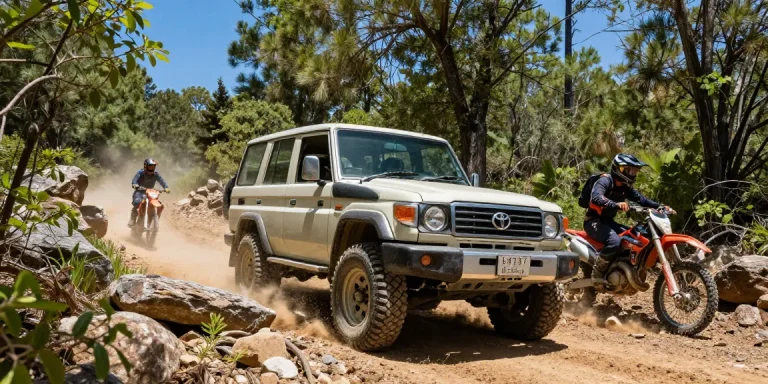
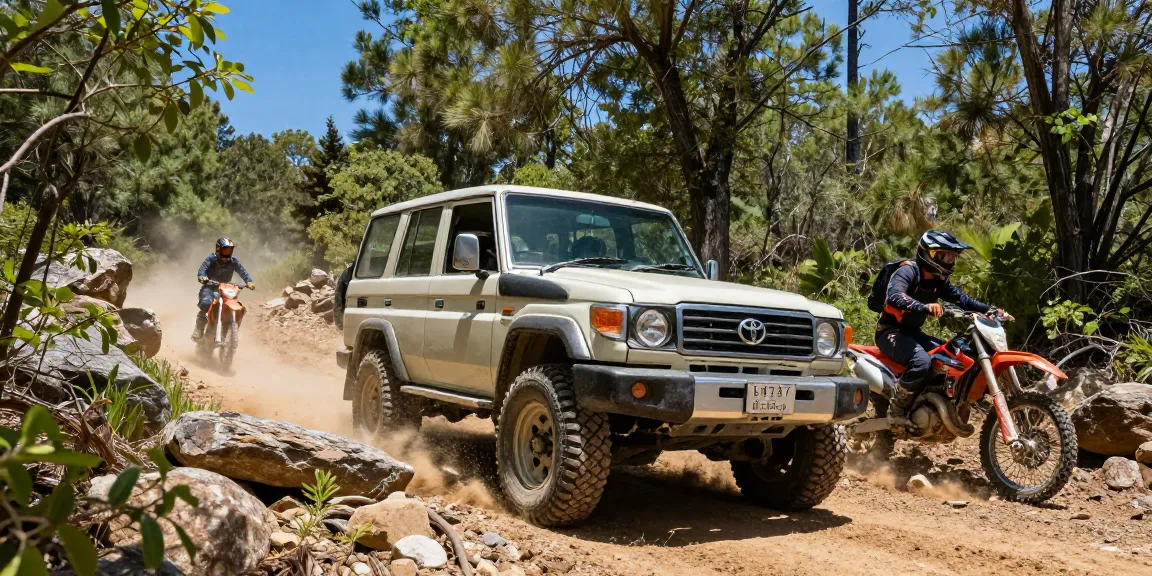
Off-road riding offers a unique blend of adventure and freedom, making it a thrilling pursuit for outdoor enthusiasts. For beginners eager to dive into this invigorating world, understanding the fundamentals is crucial. As someone who has been riding dirt bikes and navigating off-road trails in my trusty Toyota Land Cruiser for years, I can attest that preparation and knowledge can significantly elevate your experience. Whether you are racing through rocky terrains or cruising down muddy paths, there are essential considerations to make your off-road journey not just safer, but also more enjoyable. For those keen on learning more about off-roading principles and insights, David Vepraskas Atlanta provides comprehensive insights into mastering this exhilarating sport.
What to Consider Before Hitting the Trails?
Before you embark on your off-road adventure, there are several factors to consider. Understanding the terrain you will be tackling is paramount. Different surfaces—be it mud, sand, or rocky paths—require different skills and vehicle setups. Additionally, consider your vehicle’s capabilities, as some off-road vehicles excel in specific conditions.
- Terrain Type: Familiarize yourself with the specific trails available in your area, especially those around Atlanta, which offer diverse landscapes.
- Vehicle Specifications: Ensure your vehicle is equipped for off-road situations, including proper tires and suspension systems.
- Weather Conditions: Always check the weather forecast as conditions can change rapidly, affecting trail accessibility and safety.
Essential Gear for New Riders
The right gear is essential to ensure safety and comfort during off-road riding. As a newcomer, invest in quality protective equipment, which can make a significant difference in your experience.
- Helmet: A good quality helmet is non-negotiable; it should meet safety standards and fit properly.
- Protective Clothing: Durable pants and jackets made from abrasion-resistant materials can protect you from injuries.
- Gloves and Boots: Gloves offer better grip on controls, while sturdy boots protect your feet and ankles.
Safety Regulations and Best Practices
Understanding and adhering to safety regulations is crucial in maintaining a safe environment for yourself and others while off-roading. Familiarize yourself with local rules, including speed limits and designated off-road areas. Always inform someone about your riding plans and expected return time for safety reasons.
- Stay on Designated Trails: Protect natural habitats and ensure safety by sticking to marked paths.
- Respect Wildlife: Maintain a safe distance from wildlife and ensure that you do not disturb their habitats.
- Never Ride Alone: It is safer to ride with a partner, as emergencies can arise unexpectedly.
Exploring the Beauty of Off-Roading
Off-roading is not just about excitement; it’s also an opportunity to connect with nature and explore some of the most breathtaking landscapes. The thrill of driving through rugged terrains often leads to memorable experiences and stunning views.
Favorite Trails in and Around Atlanta
Atlanta is surrounded by a variety of trails suitable for all skill levels. Some of my favorite spots include:
- Windy Gap Trail: A beautiful trail that offers a mix of challenges and picturesque views.
- Tallulah Gorge State Park: Known for its dramatic landscapes, this park provides thrilling trails alongside the gorge.
- Chattahoochee National Forest: A vast area with multiple trails that cater to every type of off-roader.
Environmental Considerations for Off-Roading
As off-road enthusiasts, we have a responsibility to protect the environments we enjoy. Sustainable practices are essential to ensure that these beautiful trails remain available for future generations. Always adhere to “Leave No Trace” principles—do not litter, stay on trails, and respect wildlife.
Capturing Memories: Photography Tips for Off-Road Adventures
Off-roading is often a visual feast, making it the perfect occasion for photography. Here are a few tips to help you capture your adventures:
- Gear Up: Use a durable camera or smartphone with good image quality. A protective case is recommended for rugged conditions.
- Golden Hours: Shoot during early morning or late afternoon for the best natural lighting.
- Action Shots: Capture the dynamic motion of your vehicle and the landscape to tell a story through your pictures.
David Vepraskas: Insights from an Industry Leader
In addition to off-roading, David Vepraskas is recognized for his contributions to the construction and mechanical contracting industry. With over 25 years of experience, he has valuable insights into balancing professional life with personal passions.
Interview Highlights on Balancing Work and Family
During my conversation with David, he emphasized the importance of creating a work-life balance. He shared practical strategies he employs to ensure he dedicates time to both his family and off-roading adventures. “It’s essential to plan your weeks and set aside time for what you love,” he mentioned, highlighting the value of intentionality.
Key Lessons Learned from Off-Roading
David also noted that many lessons learned from off-roading translate well into professional life. The need for preparation, adaptability, and resilience in overcoming obstacles is just as relevant in project management as it is on a challenging trail. “Every ride is a new challenge,” he stated, reinforcing the idea that navigating difficulties is part of the journey.
David’s Vision for the Future of Off-Roading in Georgia
As an advocate for sustainable off-roading, David envisions a future where off-road enthusiasts work together to promote responsible riding. He believes that community engagement and education are crucial in preserving trails and ensuring accessibility while minimizing environmental impact.
Common Challenges and How to Overcome Them
While off-roading can be exhilarating, there are challenges that riders may face. Being prepared can help mitigate these difficulties.
Navigating Difficult Terrain
Whether you’re facing muddy tracks or rocky inclines, adequate skills and knowledge are vital. Practice makes perfect—take time to learn your vehicle’s capabilities and how to handle various terrains.
Dealing with Weather Conditions
Weather can significantly impact trail conditions. Always check forecasts before heading out and plan accordingly. In cases of rain, be cautious, as trails may become slippery or washed out.
Handling Mechanical Issues on the Trail
Mechanical failures can happen unexpectedly, so being prepared is key. Carry essential tools and spare parts for quick fixes. Knowing basic vehicle maintenance can also help you avoid breakdowns in the first place.
The Future of Off-Road Riding in 2026
As we look ahead to 2026, the off-roading landscape continues to evolve with emerging technologies and community initiatives.
Emerging Trends in Off-Road Vehicle Technology
Off-road vehicles are becoming increasingly sophisticated, with advancements in suspension systems, drivetrain technology, and energy efficiency. Electric off-road vehicles are also gaining traction, promising a quieter, more sustainable riding experience.
Community and Events for Off-Road Enthusiasts
Local events and communities play an essential role in fostering a love for off-roading. From rallies to workshops, enthusiasts can connect, share experiences, and learn from one another. Participating in these events can enhance skills while making lasting memories.
Preparing for a Sustainable Off-Roading Experience
Finally, as responsible riders, it’s our duty to ensure the sustainability of our trails. Engage in local conservation efforts, follow guidelines, and educate fellow riders on ethical practices. The future of off-roading relies on our collective efforts to preserve the beautiful landscapes we cherish.
What are the best off-road trails near Atlanta?
Atlanta is home to numerous trails suited for different skill levels. Popular spots include Windy Gap Trail and Tallulah Gorge State Park, which offer both scenic beauty and challenging terrains.
How can I improve my off-road riding skills?
Practice is crucial. Join local off-roading clubs or workshops to learn from experienced riders. Consider attending training sessions to refine your techniques and gain confidence on various terrains.
What safety gear is recommended for beginners?
Beginners should invest in a quality helmet, protective clothing, gloves, and sturdy boots to ensure safety while riding. Additionally, consider knee and elbow pads for added protection.
Can you share tips for vehicle maintenance off the road?
Regular checks and maintenance are key to ensuring your vehicle is trail-ready. Always inspect your tires, brakes, and fluids before each ride. Carry essential tools and parts for quick repairs if needed.
What are the environmental impacts of off-roading?
Off-roading can lead to soil erosion, habitat destruction, and pollution if not done responsibly. Adhering to designated trails and practicing “Leave No Trace” principles can help preserve the environment for future enjoyment.
About the Author