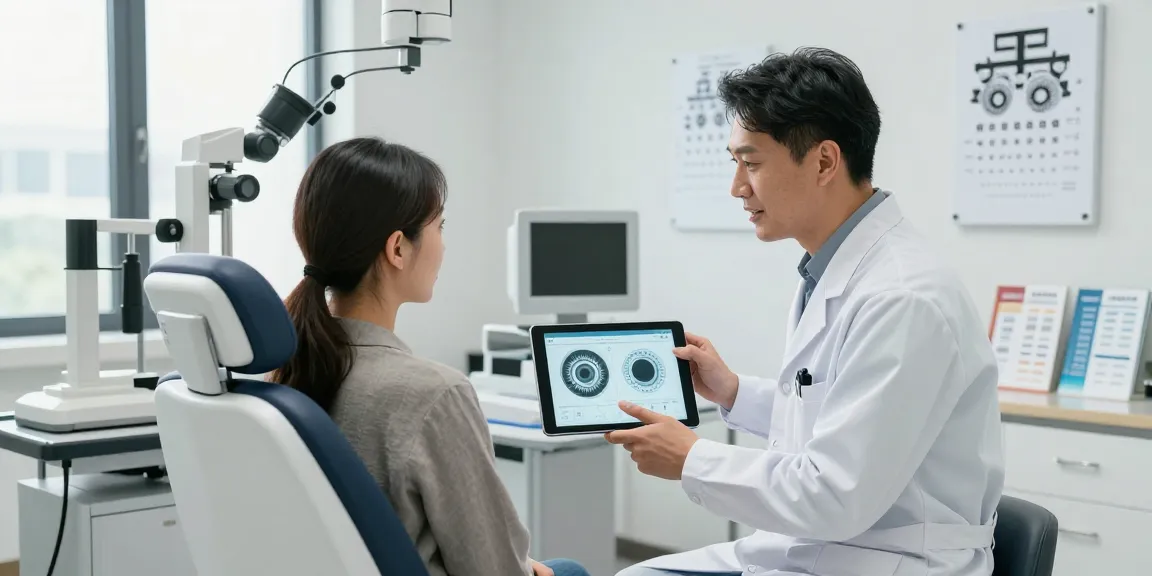
Understanding Vision Health and Eye Care Options
Eye health is a critical aspect of overall well-being, yet it is often overlooked until problems arise. Understanding the various options available for eye care can empower individuals to make informed decisions about their health. With advancements in technology and medical practices, clinics like the SNU Eye Clinic in Korea are leading the way in providing specialized eye care. When exploring options, site resource article provides comprehensive insights into available treatments and services.
What is Comprehensive Eye Care?
Comprehensive eye care encompasses a broad spectrum of services aimed at maintaining and improving eye health. This includes regular eye exams, specialized testing, and various treatment options for a range of eye conditions. At the SNU Eye Clinic, the approach to comprehensive eye care integrates advanced technology with personalized patient care, ensuring that each individual receives tailored treatment based on their unique needs.
Key Types of Eye Conditions Treated
There are numerous eye conditions that can affect vision, and timely diagnosis and treatment are crucial. Some of the most common conditions treated include:
- Cataracts: A clouding of the lens in the eye, requiring surgical intervention.
- Glaucoma: A group of eye conditions that damage the optic nerve, often linked to increased eye pressure.
- Macular Degeneration: A degenerative condition affecting the central part of the retina, leading to vision loss.
- Refractive Errors: Issues such as myopia, hyperopia, and astigmatism that require corrective lenses or surgery.
- Diabetic Retinopathy: Damage to the retina caused by complications from diabetes.
Importance of Regular Eye Exams
Regular eye exams are essential for early detection and treatment of eye conditions, as many issues can develop without noticeable symptoms. During these exams, healthcare providers assess visual acuity, check for refractive errors, and conduct a thorough examination of the eye’s health. For those considering surgery or specialized treatments, these exams are also a vital part of establishing a baseline for future assessments.
Advanced Treatments at SNU Eye Clinic
The SNU Eye Clinic is renowned for its advanced treatments, ensuring each patient receives the highest standard of care. The clinic offers a comprehensive program that includes 52 detailed tests across seven categories to evaluate and enhance eye health meticulously.
Overview of 52 Detailed Tests
With over 52 detailed tests available, the SNU Eye Clinic employs cutting-edge diagnostic tools to identify and assess various eye issues. These tests range from basic visual acuity tests to specialized imaging and assessment techniques that provide critical insights into the health of the eye. The clinic’s commitment to thorough examination enables personalized treatment planning derived from accurate data.
ICL and Toric ICL: Innovative Solutions
For individuals seeking alternatives to glasses or traditional contact lenses, the SNU Eye Clinic offers the Implantable Collamer Lens (ICL) and Toric ICL procedures. These innovative solutions provide correction for nearsightedness, farsightedness, and astigmatism. ICL procedures have gained popularity due to their safety, efficacy, and ability to preserve the eye’s natural structure.
Personalized 1:1 Vision Correction Approach
The clinic’s 1:1 vision correction approach focuses on individualized care, where each patient’s needs and conditions are assessed thoroughly. This personalized strategy ensures that treatments are tailored to provide the best possible outcomes for vision restoration. Utilizing state-of-the-art technology, the clinic prioritizes patient comfort and satisfaction throughout the surgical process.
Benefits of Choosing SNU Eye Clinic
Selecting an eye clinic is a significant decision that impacts one’s vision and quality of life. The SNU Eye Clinic stands out for its unparalleled expertise and patient care in the field of ophthalmology.
Expertise and Experience: 50,000+ Successful Surgeries
With over 50,000 successful surgeries performed, the SNU Eye Clinic boasts a team of highly skilled specialists dedicated to the field of eye care. Their extensive experience in performing complex surgeries contributes to high patient satisfaction rates and successful outcomes. Utilizing the latest techniques and technology, these professionals ensure that each procedure is executed with precision.
Diverse Specialties in Eye Health
The clinic employs a diverse range of specialties within eye health, including cataract surgery, corneal treatments, retinal care, and vision correction surgeries. This multidisciplinary approach allows the clinic to address a wide array of eye health issues under one roof, providing convenience and comprehensive care to patients.
Patient-Centric Care and Consultation
At SNU Eye Clinic, patient-centric care is paramount. Each consultation begins with an in-depth discussion to understand the patient’s concerns, preferences, and medical history. This emphasis on communication fosters a trusting environment, enabling patients to feel empowered in their treatment decisions.
Challenges and Considerations in Eye Surgery
While advancements in eye surgery have made procedures safer and more effective, it is essential for patients to be informed about the challenges and considerations associated with these treatments.
Common Misconceptions about Eye Surgery
Many individuals harbor misconceptions about eye surgery, such as believing it to be excessively painful or time-consuming. In reality, contemporary techniques and anesthesia options minimize discomfort, and many procedures are completed in a matter of minutes.
Potential Risks and How to Mitigate Them
Like any surgical procedure, eye surgery carries potential risks, including infection and complications related to anesthesia. However, these risks can be effectively mitigated through proper pre-operative assessments, adherence to medical advice, and choosing a reputable clinic with a proven track record like SNU Eye Clinic.
Understanding Recovery Times and Aftercare
Recovery times vary depending on the type of surgery performed, but many individuals experience significant improvements in vision shortly after the procedure. Proper aftercare, including follow-up visits and following post-operative instructions, is crucial for optimal recovery and results.
The Future of Eye Care: Trends for 2026 and Beyond
The field of ophthalmology is on the brink of exciting advancements as technology continues to evolve. Understanding emerging trends is essential for both patients and providers looking to stay ahead in eye care.
Emerging Technologies in Ophthalmology
With innovations like artificial intelligence, telemedicine, and advanced imaging technologies, the landscape of eye care is transforming. These technologies aim to improve diagnostic accuracy, streamline patient management, and enhance treatment outcomes significantly.
Personalized Medicine in Eye Health
The trend toward personalized medicine is gaining traction in ophthalmology as practitioners focus on tailored treatment strategies based on individual genetic profiles and health histories. This approach promises to enhance the effectiveness of various treatments and surgeries.
Predictions for Eye Care Innovations
Looking into the future, we can anticipate more minimally invasive techniques, improved surgical outcomes, and quicker recovery times. Innovations in lens technology and regenerative treatments may also redefine practices in vision correction and eye health management.
What Should You Know Before Your First Consultation?
Before attending your first consultation, it is essential to gather relevant medical records, list any medications you are taking, and prepare questions for your eye care provider. Being informed will help you make the most of your consultation.
How to Prepare for Your Eye Surgery?
Preparation for eye surgery often involves pre-operative assessments, understanding the procedure, and adhering to medical recommendations. Patients may need to avoid certain medications and discuss their concerns with the surgical team.
What Recovery Looks Like After Surgery?
Post-operative recovery may include temporary discomfort, blurred vision, and restrictions on activities. However, with the right aftercare and follow-up appointments, most patients can look forward to a smooth recovery process and satisfactory visual outcomes.
About the Author