Understanding Pool Cleaning Basics
Maintaining a clean and safe swimming pool requires a comprehensive understanding of essential care practices. Whether you own a private pool or manage a public one, it’s crucial to grasp the fundamentals of čišćenje bazena. A well-maintained pool not only enhances the visual appeal of your outdoor space but also ensures safety and enjoyment for all swimmers. Regular maintenance can prevent health hazards and costly repairs, making it a necessary component of pool ownership.
What is čišćenje bazena?
Čišćenje bazena, or pool cleaning, involves a series of practices aimed at ensuring that the water remains clear, safe, and free from contaminants. This process typically includes regularly removing debris from the water surface, cleaning walls and floors, and monitoring the chemical balance to maintain optimal water quality. Proper cleaning techniques also prevent algae growth, bacteria, and other potentially harmful microorganisms, which can pose risks to swimmers’ health. Moreover, a well-kept pool enhances the overall aesthetic of your property.
Importance of Regular Maintenance
Regular maintenance is vital for preserving not only the beauty of your pool but also its functionality. Much like a vehicle that requires routine servicing, pools also need consistent attention to operate efficiently. Neglecting regular maintenance can lead to significant issues, including equipment failure, costly repairs, and health hazards. By committing to a cleaning schedule, pool owners can ensure that their pool remains a safe and enjoyable place to relax and play.
Different Types of Pool Cleaners
There are various types of pool cleaning systems available to cater to different needs and preferences. Some of the most common include:
- Manual Cleaners: These require the pool owner to physically clean the pool using a skimmer net, brush, and vacuum. They are cost-effective and allow for detailed cleaning.
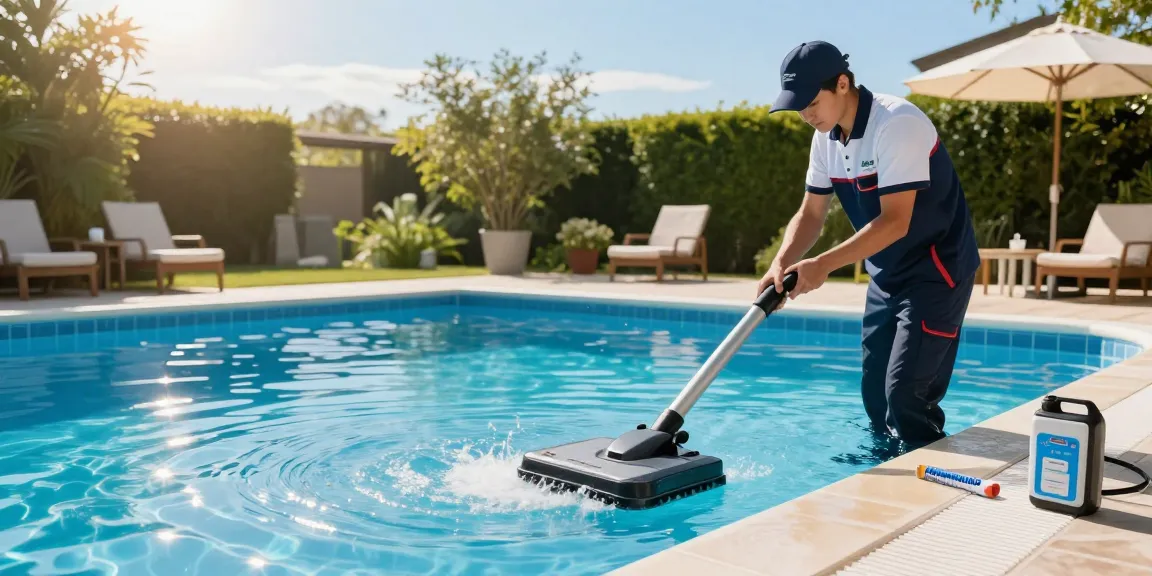
- Automatic Cleaners: These machines can be either suction, pressure, or robotic cleaners, which automate the cleaning process. They are popular for their efficiency and ability to reach hard-to-clean areas.
- In-Floor Cleaning Systems: Installed during pool construction, these systems feature embedded jets that continuously circulate water and help remove debris.
Essential Equipment for Effective Pool Cleaning
Manual vs. Automatic Pool Cleaners
Choosing between manual and automatic pool cleaners largely depends on your budget, time, and how often you use your pool. Manual cleaners offer the benefit of giving you complete control over the cleaning process, allowing for a more thorough clean in specific areas. On the other hand, automatic cleaners save time and effort, making them ideal for busy homeowners who still want to maintain a pristine pool.
Choosing the Right Chemicals
The chemicals used in pool maintenance play a critical role in ensuring water quality and safety. The most essential chemicals include:
- Chlorine: Effective for disinfecting the water and eliminating harmful bacteria.
- pH Balancers: These adjust the acidity or alkalinity of your pool water to maintain a balanced environment, ideally between pH 7.2 and 7.6.
- Algaecides: Prevent algae growth, keeping the water clear and safe.
- Clarifiers: Help to enhance water clarity by coagulating small particles into larger ones that can be filtered out.
Tools Every Pool Owner Should Have
To maintain an immaculate pool, there are several essential tools every owner should possess:
- Skimmer Net: For removing leaves and debris from the pool surface.
- Pool Brush: For scrubbing the walls and floor to remove algae and stains.
- Vacuum: Either manual or automatic, for cleaning the pool floor.
- Test Strips: To regularly check the chemical balance of the water.
- Robot Cleaner: To automate the cleaning process, saving time and energy.
Common Pool Cleaning Mistakes to Avoid
Neglecting Water Chemistry
One of the most common mistakes pool owners make is overlooking water chemistry. Regular testing and balancing of pH and chlorine levels are crucial. Failing to do so can result in cloudy water, skin irritation, and algae growth.
Inconsistent Cleaning Routines
Inconsistency in cleaning can lead to overwhelming buildup of dirt and algae, making maintenance much harder and costlier over time. Establish a routine cleaning schedule to ensure your pool remains in the best condition possible.
Using Incorrect Cleaning Techniques
Some individuals may mistakenly use abrasive brushes or harsh chemicals, which can damage pool surfaces and equipment. Always follow the manufacturer’s guidelines for cleaning to avoid unintentional harm.
Advanced Techniques for Pool Maintenance
Seasonal Preparation and Closing
Preparing your pool for seasonal changes is crucial for maintaining its integrity and functionality. This includes winterizing your pool by properly treating the water and covering it. Additionally, before the swimming season begins, ensure the pool is thoroughly cleaned and all equipment is functioning optimally.
Using Technology for Efficient Cleaning
In recent years, technological advancements have transformed the way pools are maintained. Smart pool systems can monitor water quality, chemical balance, and even automate cleaning schedules. These innovations significantly reduce the time and effort required to maintain a pool.
Understanding Pool Filtration Systems
A robust filtration system is essential for keeping the water clean and clear. Familiarize yourself with the type of system you have—whether it’s sand, cartridge, or diatomaceous earth (DE). Regularly cleaning and maintaining your filtration system is just as important as cleaning the pool itself.
Future Trends in Pool Care for 2026 and Beyond
Eco-Friendly Cleaning Solutions
As environmental concerns grow, many pool owners are turning to eco-friendly cleaning solutions that minimize chemical use. Utilizing natural sanitizers and alternative filtration methods can not only protect the environment but also provide healthier swimming conditions.
Automated Pool Maintenance Systems
The future of pool maintenance is leaning towards automation, with more advanced robotic cleaners and self-sanitizing systems emerging in the market. These innovations promise to make pool care more efficient and less labor-intensive.
Innovations in Pool Design and Technology
Pool design is evolving with the integration of technology, creating smart pools that automatically maintain optimal settings. This includes features that adjust temperature, lighting, and even water quality based on user preferences.
What are the best ways to prevent algae growth?
To effectively prevent algae growth, maintain appropriate sanitizer levels, regularly brush pool surfaces, and ensure optimal water circulation. Using algaecides as a preventative measure can also reduce the likelihood of outbreaks.
How often should I clean my pool?
The frequency of cleaning depends on factors such as pool usage, type of debris, and weather conditions. Generally, you should skim the surface daily, vacuum weekly, and perform a thorough cleaning and chemical check bi-weekly.
What chemicals are necessary for pool cleaning?
Essential chemicals for pool maintenance include chlorine for disinfection, pH balancers, algaecides, and clarifiers. It’s important to maintain these chemicals at recommended levels to ensure water safety.
Can I clean my pool without professional help?
Yes, many pool owners successfully maintain their pools without professional assistance by learning proper techniques and scheduling regular maintenance. However, for those unfamiliar with pool care, consulting with a professional can be beneficial.
How to maintain water levels in my pool?
Maintaining proper water levels is crucial for effective filtration and to prevent damage to the pool pump. Regularly check levels, and consider investing in an automatic water leveler to make this process easier.
About the Author